What is acupuncture?
Acupuncture is part of Traditional Chinese Medicine (TCM), a system of medicine developed over 2,000 years ago. Unlike Western medicine, which often focuses on isolated symptoms, Chinese Medicine views the body as an interconnected whole. Every symptom is considered in the context of you—your lifestyle, environment, and overall wellbeing. This means that two people with the same diagnosis might receive different treatments, based on their individualised expression of the condition.
As well as using needles, acupuncturists also use other techniques that help to improve flow in the meridians of the body, such as gua sha, cupping therapy and massage. Additionally, practitioners can advise on Chinese medicine dietary and lifestyle principles, so that you can work together towards your health goals.
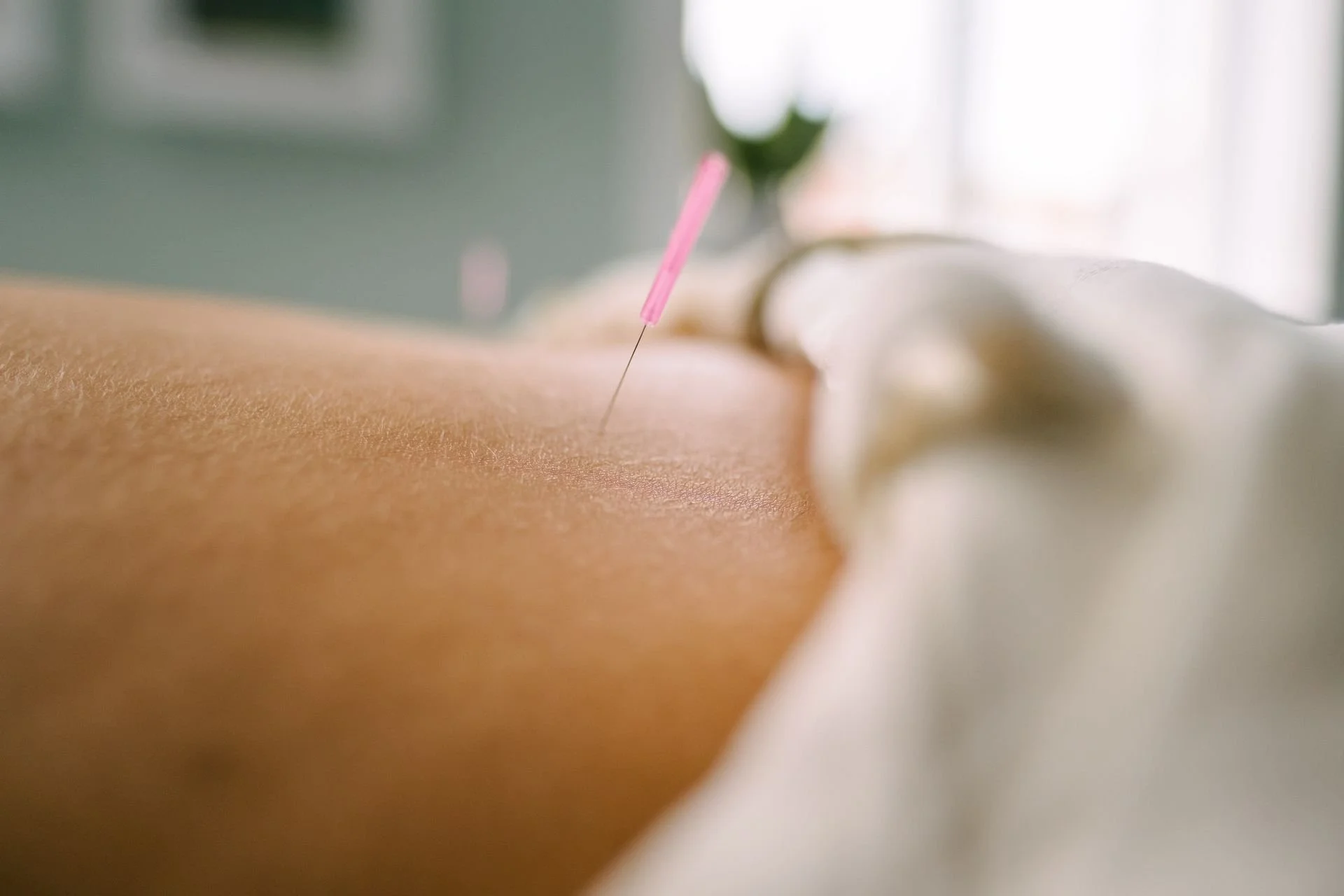
How does it work?
From a Chinese Medicine perspective, acupuncture restores balance by regulating the flow of Qi (energy) through the body’s meridians (energy pathways). When this energetic system is flowing freely, the systems of the body will function in harmony, and we will feel well and energised. When this flow is disrupted, it can result in physical and emotional symptoms. Acupuncture uses very fine needles at specific points along the meridians to rebalance the energy (Qi), restore flow, and support the body’s natural ability to heal itself.
Modern research suggests that acupuncture influences the body in several measurable ways, including:
Supporting the nervous system and reducing stress responses
Improving blood flow to targeted areas
Regulating hormones
Reducing inflammation
Encouraging the release of natural pain-relieving chemicals
This video made by the British Acupuncture Council offers a useful explanation of how acupuncture works.
How can it help me?
-
Acupuncture works by restoring balance in the body, which means it can support almost anyone in optimising their health. Every treatment is tailored to your individual needs, whether you're looking for help with a specific condition or simply want to feel more grounded, energised, and well.
Many people notice benefits beyond the original issue they came in for—improvements in sleep, mood, digestion, or overall wellbeing often emerge as the body starts to rebalance.
Chinese Medicine and acupuncture are also powerful preventative tools. Our subtle diagnostic techniques can identify small imbalances before they become symptoms. This is why many people seek treatment when they feel “out of whack” or “off kilter” but can’t quite pinpoint what's wrong—they simply sense that something is out of balance.
If you’re unsure whether acupuncture is right for you, you’re welcome to book a free 15-minute discovery call. We can talk through your specific needs, goals, and any questions you may have.
-

Women's Health
From menstrual issues to menopause, Chinese Medicine helps to find the underlying cause of symptoms experienced.
-

Stress & Anxiety
Acupuncture helps to regulate the nervous system, calming the mind, lowering stress responses and promoting relaxation.
-
Digestive Issues
Treatment helps to regulate digestive function by improving gut motility. Commonly used for bloating, constipation and IBS.
-

Fertility & IVF
Acupuncture supports reproductive health by regulating hormones, improving blood flow and reducing stress. Often used in preparation for assisted reproduction such as IVF and IUI,
-
Pain
Acupuncture is commonly used to help manage musculoskeletal tension, injuries and headaches. The NHS NICE guidelines currently recommend acupuncture for chronic pain.
-
Sleep & Fatigue
By influencing the nervous system acupuncture can help promote better rest and support energy levels, whilst also addressing underlying causes that many contribute.
-
Pregnancy & Postpartum
It is safe to have treatment throughout pregnancy for common symptoms such as morning sickness, anxiety, breech presentation and birth preparation. Chinese Medicine also has a strong focus on postpartum support.
FAQs
-
Yes — one of the strengths of acupuncture is that it can be adapted to support people at all stages of life. Because treatment is tailored to the individual, it is suitable for a wide range of ages and health needs, from teenagers to older adults.
Every session is designed around your unique constitution, lifestyle, and goals. As practitioners, we can draw on a variety of techniques — not only needles, but also acupressure, moxibustion, cupping, or lifestyle advice — to make treatment comfortable and effective for you.
Your first appointment will include a thorough discussion of your health history and current concerns, so we can ensure that acupuncture is safe, appropriate, and personalised to your needs.
-
Yes. When carried out by a qualified practitioner, acupuncture is considered a very safe treatment. Adverse side effects are extremely rare. The most common reactions are mild and short-lived — such as slight bruising, or a temporary feeling of tiredness after treatment.
As a member of the British Acupuncture Council (BAcC) accredited by the Professional Standards Authority (PSA), I follow strict professional and safety standards. This ensures that every treatment is delivered safely and with your wellbeing as the top priority.
-
Generally, acupuncture is not painful. It is normal to feel a tingling sensation or a dull ache as the practitioner adjusts the needle, but it should be comfortable. The needles used are extremely fine, and most people don’t even feel them being inserted. It’s common to feel very relaxed during your treatment.
-
The number of treatments will depend on the individual and their presenting condition. Whilst some people notice improvements after only one session, others - particularly those addressing chronic conditions - may require several treatments. Often, the first signs of progress appear in subtle changes to wellbeing: a better night’s sleep, a calmer mind, or improved digestion. These are all positive indications that your body is beginning to restore balance. At your first appointment we will discuss this and we’ll regularly check in and adapt your treatment plan as things progress.
-
Absolutely. I completely understand - I felt the same way when I first tried acupuncture myself. To my surprise, I found the experience relaxing and barely noticed the needles.
There’s a common misconception that acupuncture uses large, medical-style needles, but in reality, the needles used are extremely fine, and many people hardly feel them at all.
That said, your comfort is my priority. If you’re feeling apprehensive about needles, please let me know. There are many gentle techniques for stimulating acupuncture points without needles.